Exploring the Craft Behind Firearms Technology
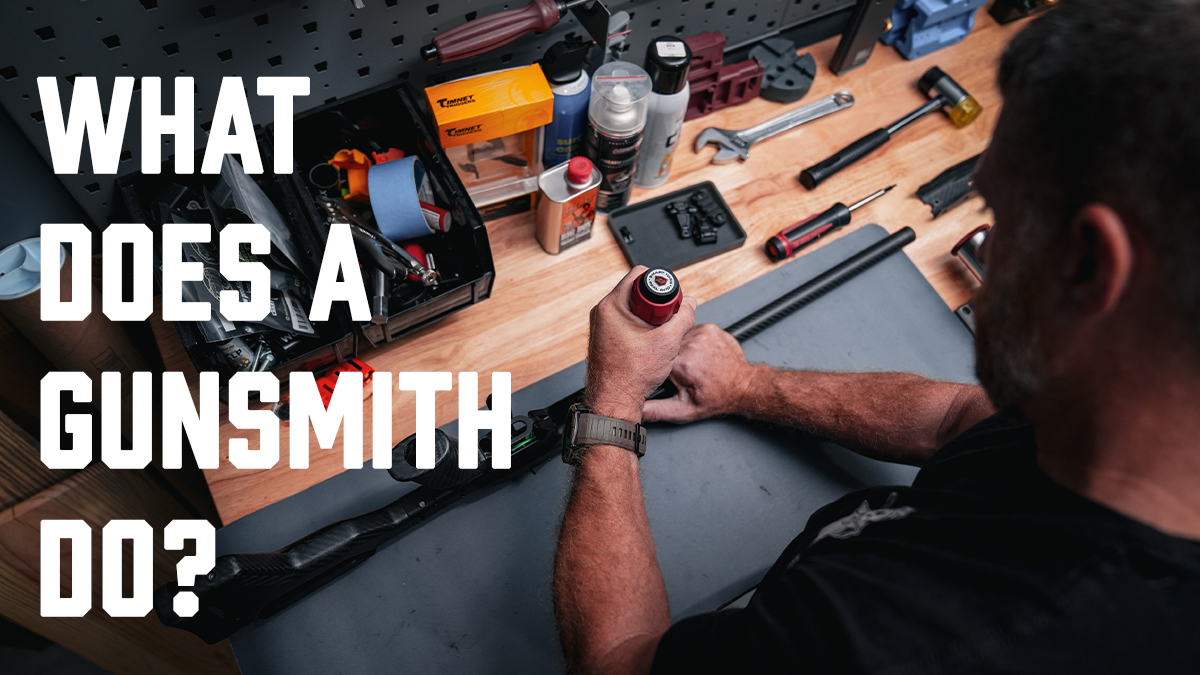
If you have ever wondered what does a gunsmith do, the answer goes far beyond basic repairs. Gunsmithing combines mechanical knowledge, precision hand skills, machining, and a deep understanding of firearm function and safety.
Whether restoring a vintage revolver or customizing a modern rifle for performance, gunsmiths work at the intersection of craftsmanship and technical expertise. This guide explains what gunsmiths do, the tools and skills they rely on, and how formal gunsmith training or a firearms technology degree program can support long-term development in the trade.
What Does a Gunsmith Do on a Daily Basis?
A gunsmith inspects, repairs, maintains, accurizes, and modifies firearms. Their responsibilities may include:
-
Diagnosing mechanical or functional issues
-
Disassembling, cleaning, reassembling, and function testing firearms
-
Performing upgrades or modifications such as trigger work, barrel fitting, or sight installation
-
Mounting scopes, fitting recoil pads, or installing accessories
-
Ensuring safe operation and regulatory compliance
-
Advising customers in retail, repair, or private shop settings
-
Performing woodwork and stock fitting
-
Customizing or accurizing firearms
-
Refinishing metal or stock components
-
Restoring vintage firearms
-
Re-barreling firearms
-
Threading barrels for muzzle devices
Gunsmithing requires more than replacing parts. It demands an understanding of how firearm components interact, how tolerances affect performance, and how small adjustments influence reliability and safety.
Essential Tools of the Trade
Understanding what a gunsmith does also means understanding the tools involved.
Common Hand Tools
-
Bench blocks
-
Punch sets
-
Gunsmithing hammers
-
Armorer’s wrenches
-
Torque drivers
-
Calipers and micrometers
-
Vises and clamps
-
Files and stones
-
Personal protective equipment
-
Screwdrivers
-
Drill bits
-
Rotary tool
-
Hand drill
-
Hand saws
Advanced Equipment
-
Lathes
-
Drill presses
-
Milling machines
-
Grinder
-
Disc sander
-
Band saw
-
Ultrasonic cleaner
-
Air compressor
-
Bead blast cabinet
-
TIG welder
-
Oxy-acetylene torch
-
Metal finishing stations such as bluing or Cerakote
At Sonoran Desert Institute, students in firearms programs complete structured online coursework paired with hands-on projects that introduce many of these tools in controlled learning environments.
Skills Every Gunsmith Needs
Tools are only part of the equation. Understanding what a gunsmith does requires looking at both technical skill and professional responsibility. The core of what a gunsmith does comes down to skill development.
Key competencies include:
-
Mechanical aptitude and understanding of firearm systems
-
Attention to detail, especially with tight tolerances and clearances
-
Proper fitting and installation of firearm components
-
Safe and effective hand tool use
-
Diagnostic problem-solving
-
Knowledge of applicable firearms laws and compliance standards, including federal regulations administered by the Bureau of Alcohol, Tobacco, Firearms and Explosives (ATF)
-
Professional communication and documentation practices
-
Gunsmith shop operations
Over time, some gunsmiths develop specialized focus areas such as competition pistols, bolt-action rifles, restoration work, or platform-specific armorer services.
How to Become a Gunsmith
There are multiple paths into the trade. While some individuals begin with hobby experience, structured gunsmith training provides guided progression, formal coursework, and documented projects.
At Sonoran Desert Institute, students can pursue several firearms education options:
Certificate in Firearms Technology – Gunsmithing
This 32-credit program focuses on core firearms function, diagnostics, safety, and modification techniques. Coursework is delivered online with hands-on components completed by students.
Certificate in Firearms Technology – Handgun Specialist
This 16-credit, one-semester program concentrates on revolvers, striker-fired pistols, and hammer-fired pistols. It is designed for students who want focused exposure to handgun systems.
Associate of Science in Firearms Technology Degree Program
This 60-credit program includes firearms mechanics, lathe machining, customization techniques, and business-related coursework. The associate degree pathway offers expanded scope and longer-term study across four 16-week semesters.
SDI is accredited by the Distance Education Accrediting Commission (DEAC). Individual programs are not separately accredited.
Career Paths in Gunsmithing
After completing firearms education and gaining hands-on experience, individuals may pursue a range of entry-level and developing roles within the firearms industry.
Common paths include:
-
Firearms repair technician working in retail shops or service departments
-
Custom gunsmith performing modifications or upgrades under supervision or in small-shop environments
-
Armorer for law enforcement, military, or security organizations, maintaining issued firearms according to agency standards
-
Retail firearms specialist assisting customers with product knowledge, safety guidance, and technical insight
-
Business owner providing firearm repair, maintenance, or customization services where legally permitted
It is important to understand that experience levels, geographic location, licensing requirements, and market demand all influence career progression. Many professionals begin in entry-level roles and continue developing their skills over time.
Formal education can help build foundational knowledge and documented project experience, but employment outcomes vary and are not guaranteed.
Start Where You Are
If you have been asking yourself what does a gunsmith do, you are already taking the first step. The work requires passion, patience, precision, and a commitment to safety and learning, but can be extremely rewarding.
Whether you choose a focused certificate or the Associate of Science in Firearms Technology degree program, look for structured education that emphasizes hands-on practice, measurable skill development, and responsible firearm handling.
To explore SDI’s firearms technology programs, visit SDI.edu.
RELATED STORIES