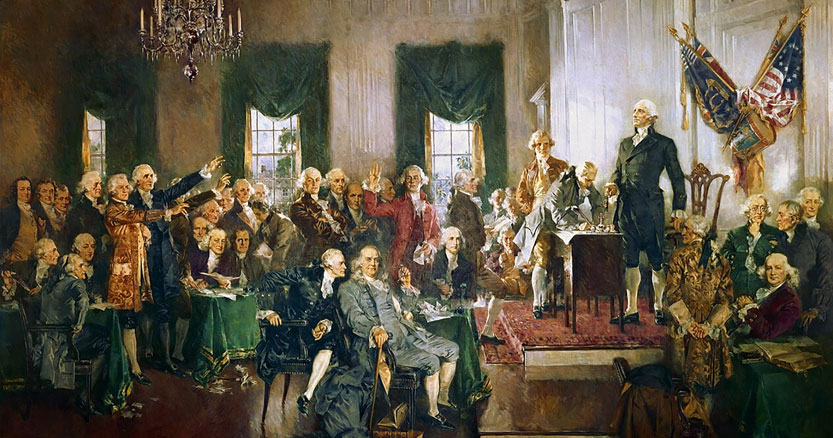
On September 17, 1787, delegates in Philadelphia signed their names to a four-page document and adjourned. What they left behind wasn’t a finished product so much as a working system, one designed with enough precision to function and enough flexibility to be adjusted without falling apart. Two hundred and thirty-nine years later, it still runs.
At Sonoran Desert Institute, we spend our days around people who understand what that kind of design takes. Ask any gunsmith, machinist, or engineer what separates a piece that lasts from one that doesn’t, and the answer is rarely luck. It’s tolerances built in on purpose. It’s parts designed to interact correctly under stress, not just sit together when everything’s calm. The Constitution was built the same way: a system of checks and balances engineered so that no single part, not the executive, not Congress, not the courts, could seize control of the whole mechanism. That’s not a metaphor we’re reaching for. It’s how the document actually works.
A Document Built to Take Load
The framers didn’t design the Constitution to be perfect on day one. They built in an amendment process, a way to true it up as the country changed, without needing to scrap the whole system and start over. That’s the same logic behind a well-designed machine: you build tolerance into the system so it can be adjusted, repaired, and improved over its lifetime instead of failing the first time conditions change.
Since 1787, the country has used that process 27 times. Some of those amendments corrected serious flaws in the original design. Others extended rights the founders never got right the first time. The document held up through all of it, not because it never changed, but because it was built to.
What It Means to the People Who’ve Sworn to Defend It
For many people in the SDI community, the Constitution isn’t an abstraction to admire from a distance. Veterans and active service members among our students, alumni, and faculty took an oath to support and defend it, often at real personal cost. For them, September 17 isn’t just a date on a syllabus. It’s a reminder of a commitment they’ve already lived out.
Precision, Rights, and Responsibility
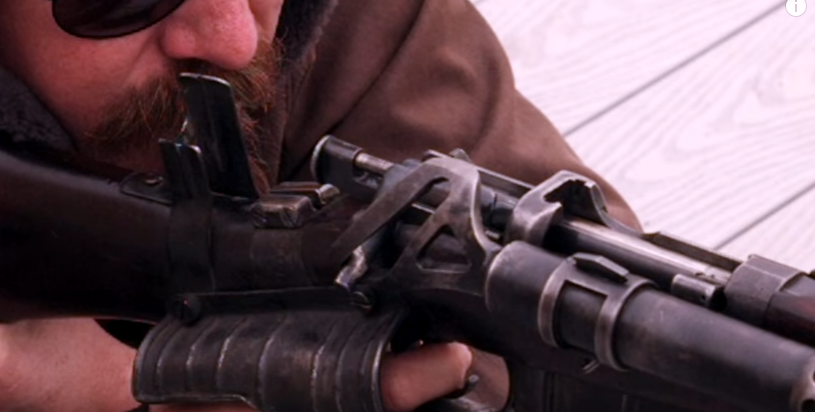
For our firearms community specifically, the Second Amendment sits at the center of daily conversations, in the classroom and on the range. It’s a right, and like any right worth having, it comes bundled with responsibility. The same discipline that goes into machining a barrel to spec or fitting a trigger group correctly applies to how that right gets exercised: safely, skillfully, and with respect for the tool and the people around you. Craftsmanship and citizenship ask for the same thing, attention paid before something goes wrong, not after.
Mark the Day
You don’t need a ceremony to observe Constitution Day. Pick one amendment and actually read it. Notice how plainly it’s written, and how much weight it still carries. If there’s a veteran in your life, tell them you noticed what they signed up to defend. And if you work in a trade built on precision, take a minute to appreciate that the document governing your country was built the same way: designed to hold, and built to be improved without breaking.
Second Amendment
A well regulated Militia, being necessary to the security of a free State, the right of the people to keep and bear Arms, shall not be infringed.
239 years is a long service life for any system. This one’s still running because it was built right the first time, and because every generation since has been willing to maintain it.
Explore SDI’s firearms technology programs to learn the trade that teaches precision, responsibility, and respect for the tools that protect the freedoms this document guarantees.
RELATED STORIES